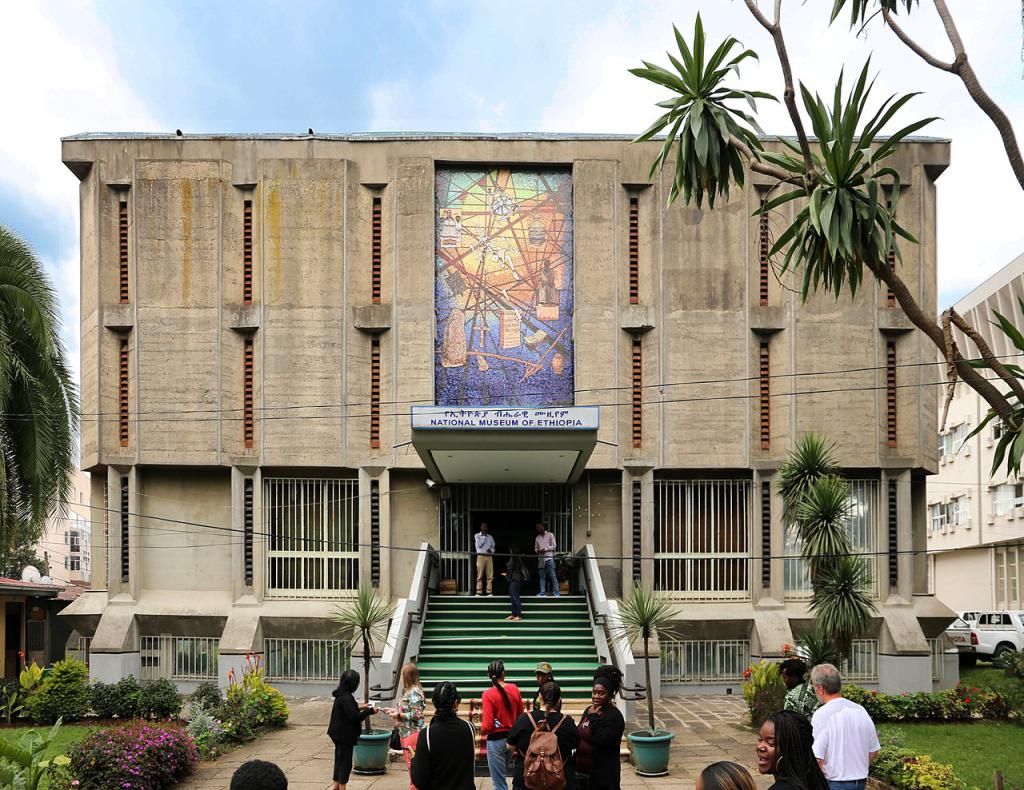
Ranked as one of the most important sub-Saharan museums in Africa, the National Museum is much more than a gallery; it is a time machine. The basement level is the primary draw, housing the world-famous paleoanthropological section. Here, you will find the fossilized remains of Lucy (Dinknesh), the 3.2-million-year-old hominid that fundamentally altered our understanding of human evolution.
Holy Trinity Cathedral (Kidist Selassie)
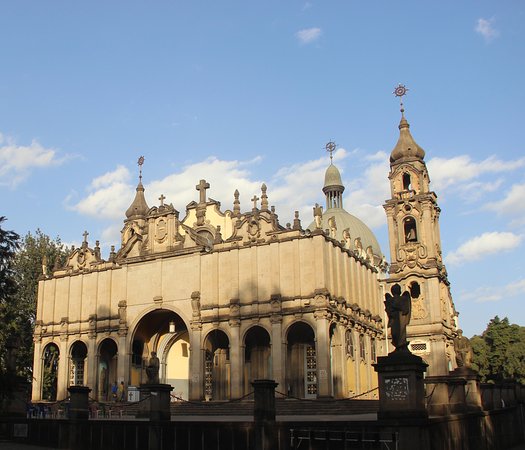
With its copper domes and soaring pinnacles, Holy Trinity Cathedral is the most prestigious Orthodox cathedral in Addis Ababa. Built to commemorate Ethiopia’s liberation from Italian occupation, it serves as a powerful symbol of national resilience. The architecture is an eclectic fusion, merging traditional Aksumite styles with European Baroque influences, creating a silhouette unlike any other in the country.
Entoto Hills & Entoto Maryam Church
Standing at over 3,000 meters, the Entoto Hills are often referred to as the “Lungs of Addis.” This was the original location of the imperial capital before the city expanded into the valley below. The air here is crisp, scented with the thousands of eucalyptus trees that blanket the slopes. It offers a literal and figurative “high point” for any visitor, providing the most iconic panoramic views of the sprawling city.
Unity Park
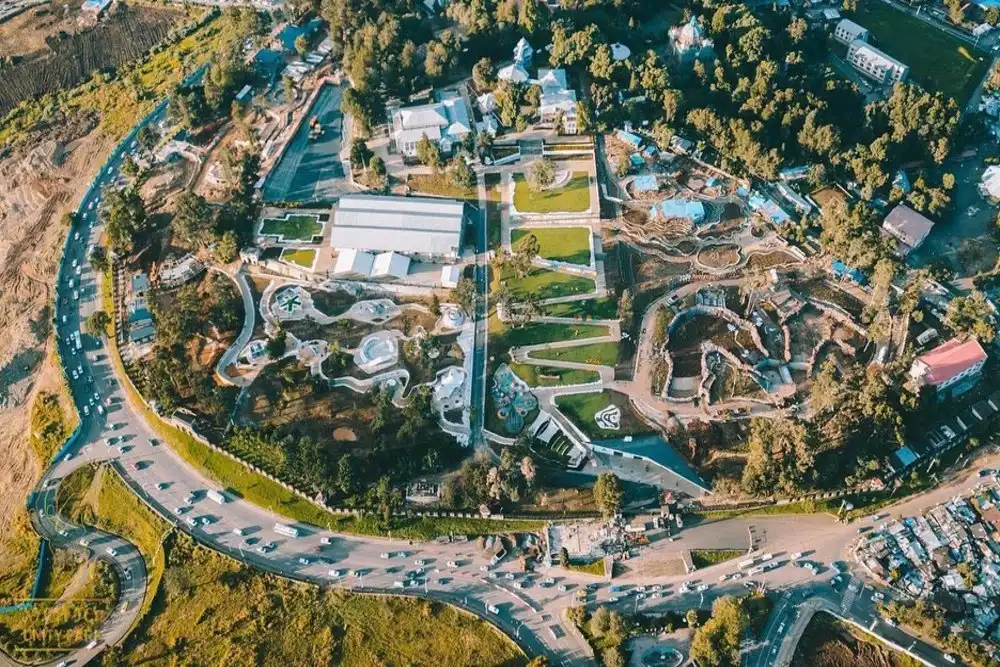
Located within the sprawling grounds of the Grand Palace (Menelik’s Palace), Unity Park represents a new era of Ethiopian tourism. For decades, this site was a closed-off military and political fortress; today, it is a beautifully landscaped public space that masterfully blends historical preservation with family-friendly leisure.
Addis Merkato
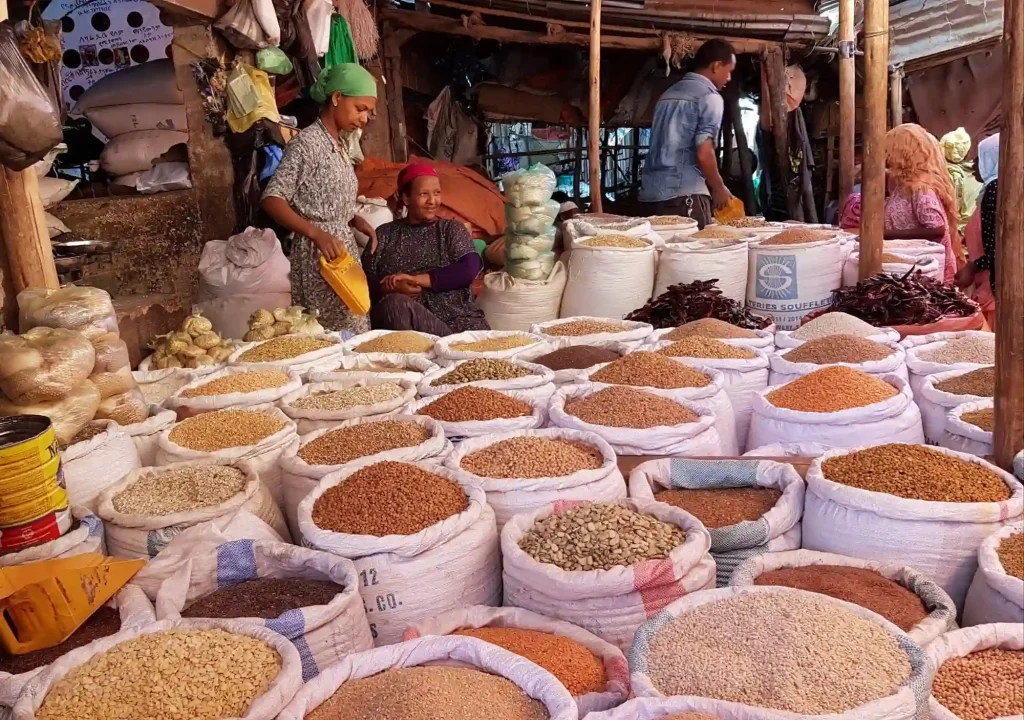
Often cited as the largest open-air market in Africa, Merkato is not just a shopping destination it is a living, breathing organism. This is where the city’s heart beats loudest. Spanning several square kilometers, the market is an intricate labyrinth of “streets” organized by commodity: from the pungent aroma of the spice market to the rhythmic clanging of the metalworkers’ district.
St. George Cathedral
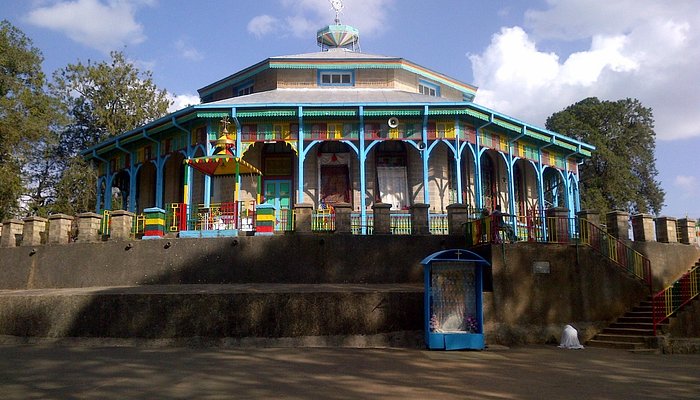
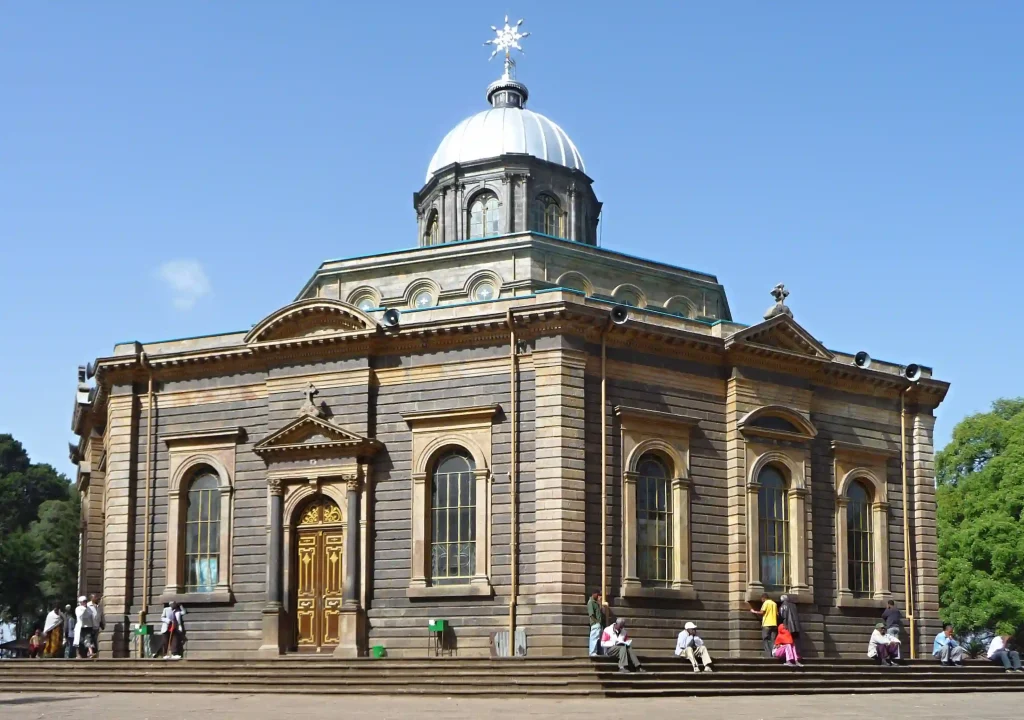
Commissioned by Emperor Menelik II to celebrate the 1896 victory over Italian forces at the Battle of Adwa, St. George Cathedral is a site of immense patriotic pride. Its unique octagonal shape is a hallmark of traditional Ethiopian church architecture. Situated at the northern end of Churchill Road, it sits at the intersection of faith and history.
Ethnological Museum
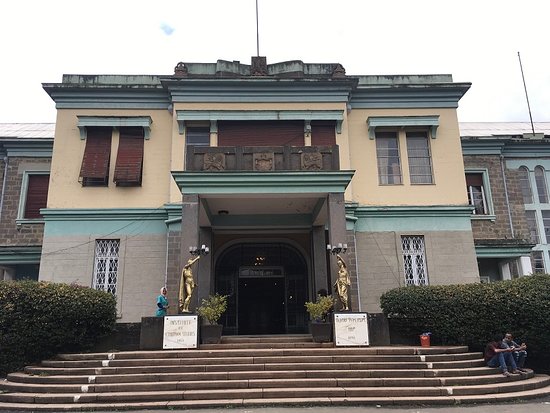
Widely considered one of the finest museums in Africa, the Ethnological Museum is housed in the former palace of Emperor Haile Selassie I, surrounded by the lush gardens of Addis Ababa University. Rather than focusing on dates and battles, this museum focuses on the people. The exhibits are cleverly arranged by the human life cycle: Childhood, Adulthood, and Death.
Red Terror Martyrs’ Memorial Museum
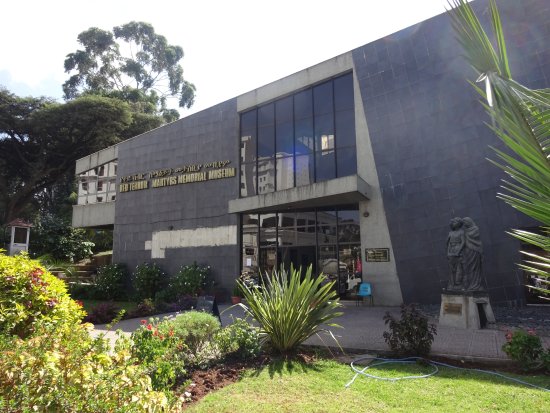
Located at the corner of Meskel Square, this museum is a sobering but essential stop for anyone wishing to understand Ethiopia’s modern political history. It was established in 2010 to honor those who perished under the “Derg” regime in the late 1970s. While the content is emotionally heavy, it is presented with a dignity and directness that is profoundly moving.
Shiro Meda Market
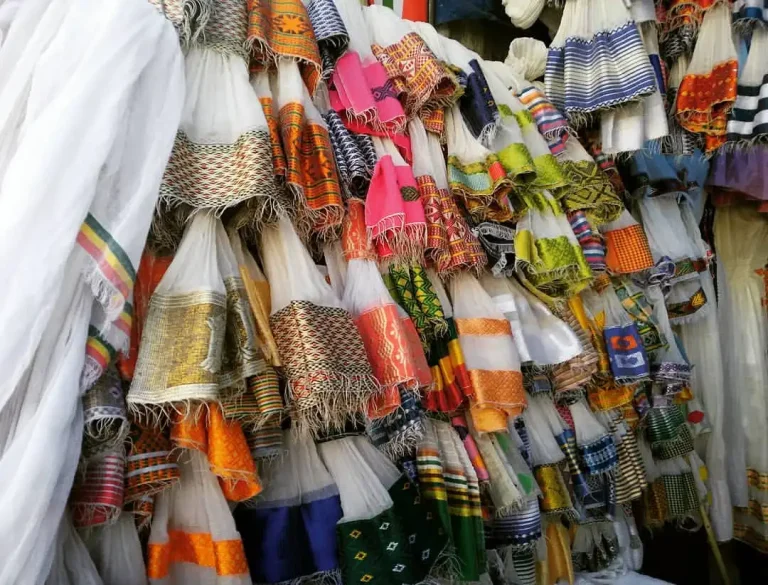
While Merkato is for everything, Shiro Meda is for fashion. Located at the foot of the Entoto Hills, this market is the epicenter of the traditional weaving industry. It is the best place in the country to find the Habesha Kemis the stunning white cotton dresses adorned with colorful, hand-embroidered patterns (tilet).