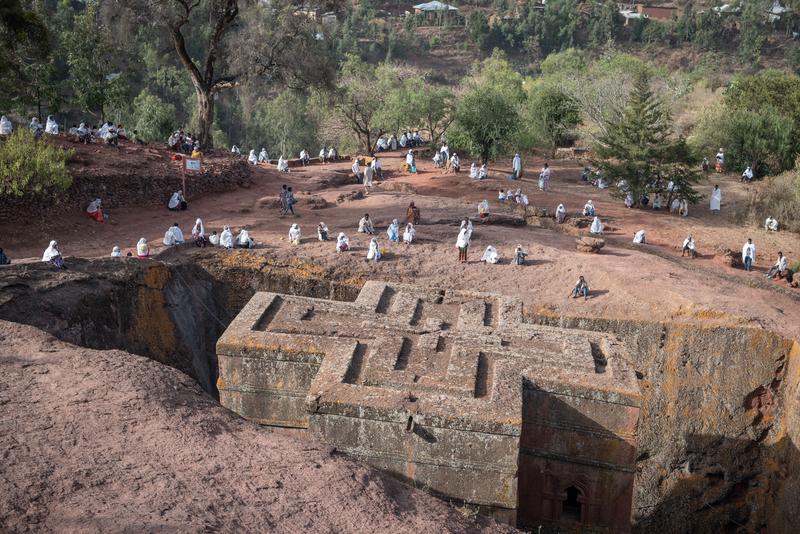
Lalibela is not merely a destination; it is a miracle of human ingenuity and spiritual devotion. In the 12th century, King Lalibela sought to build a “New Jerusalem” on African soil so that his people wouldn’t have to make the perilous journey to the Holy Land. The result was eleven medieval churches, each carved downward into the red volcanic rock, creating a subterranean world of faith that remains a vibrant, active place of worship today.
Axum: The Birthplace of Legend
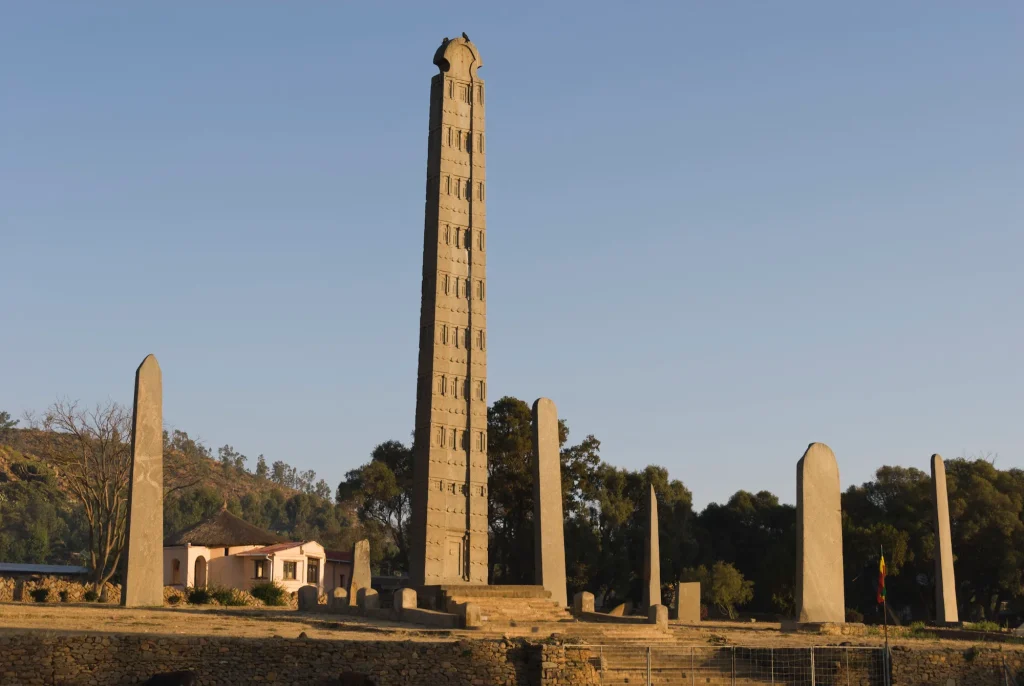
Axum was once the heartbeat of one of the four greatest powers of the ancient world, rivaling Rome, Persia, and China. Today, the city is a treasure trove of mystery, serving as the root from which Ethiopia’s identity, religion, and imperial legacy grew. It is a city of “firsts” the first African kingdom to adopt Christianity and the first to mint its own coinage.
Gondar: The Camelot of Africa
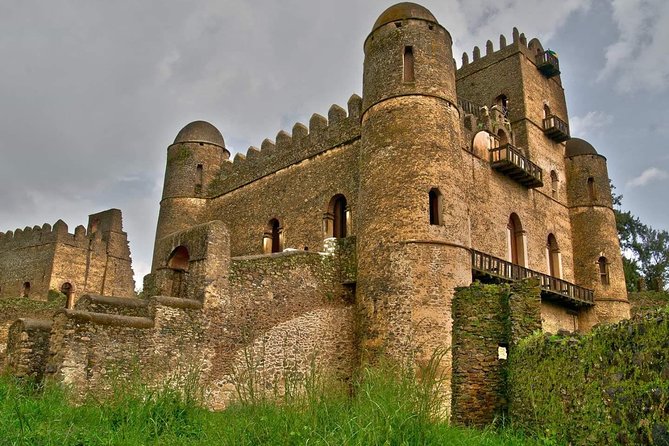
The 17th-century imperial capital of Gondar is a city of stone castles and royal dreams. Known as the “Camelot of Africa,” the centerpiece of the city is the Fasil Ghebbi, a massive fortified compound of six palaces, banqueting halls, and libraries. The architecture reflects a unique “Gondarine” style a fusion of Ethiopian tradition with Portuguese, Indian, and Moorish influences brought by travelers along the trade routes.
Yeha: The Great Temple of Antiquity
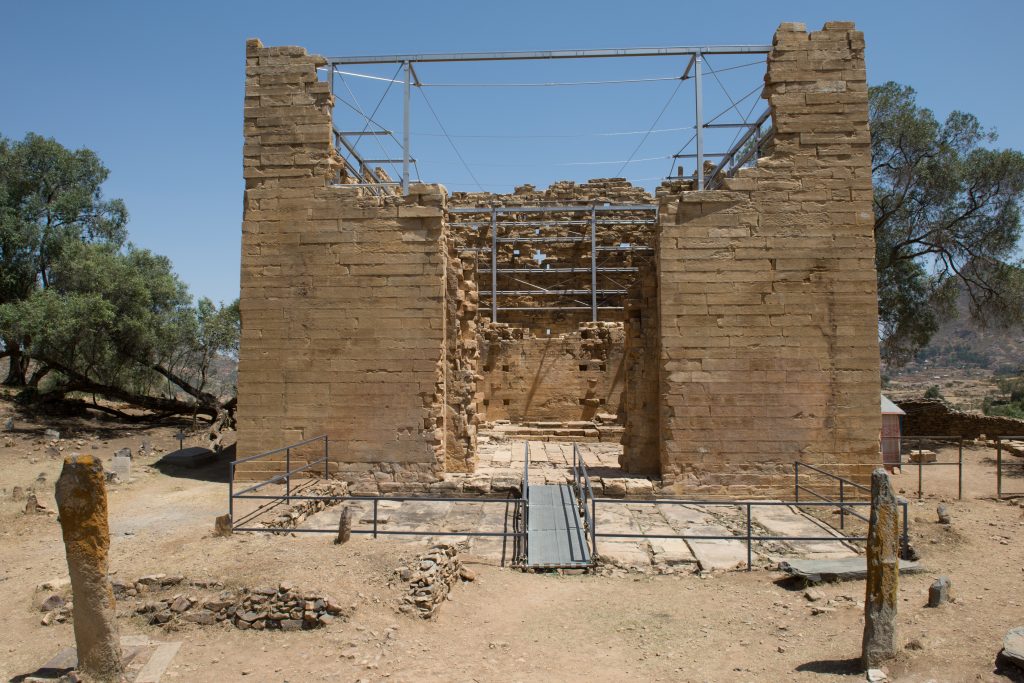
To visit Yeha is to journey into the deepest roots of Ethiopian civilization. This is the oldest standing structure in Sub-Saharan Africa. Built without mortar using perfectly fitted limestone blocks, the Temple of Yeha predates the Axumite Empire by centuries, standing as a silent witness to the Sabean-influenced D’mt Kingdom that thrived here around 700 BCE.
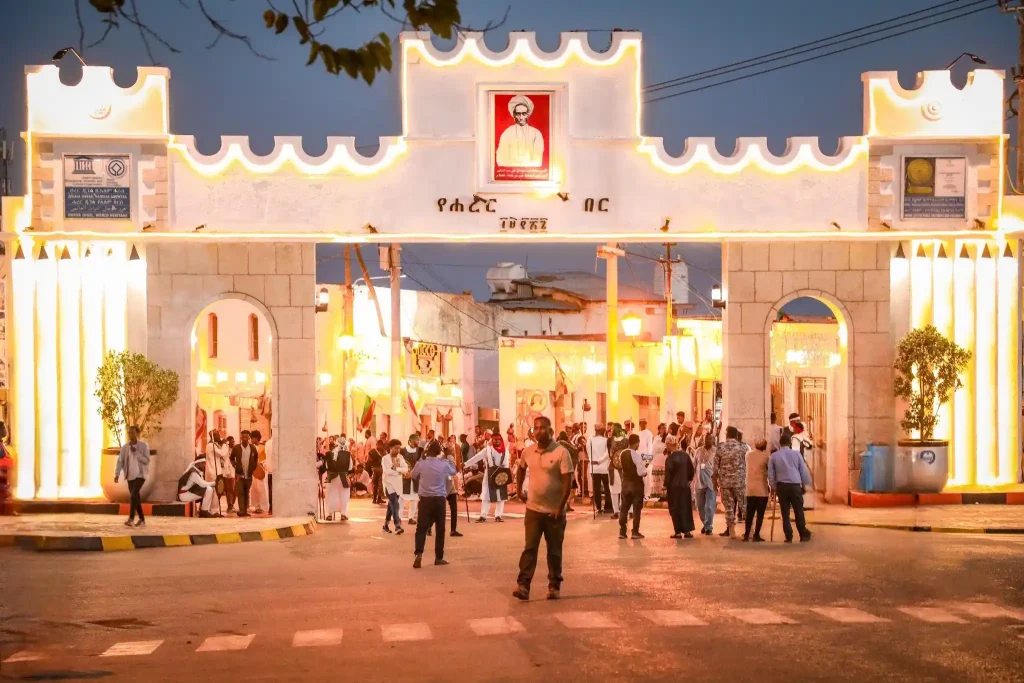
Harar Jugol: The Walled City of Peace
Harar is a vibrant labyrinth of faith and color. Within the 16th-century walls of the Jugol (the old city) lie over 80 mosques and 100 shrines tucked away in narrow, winding alleyways. Often called the “City of Saints,” Harar has spent centuries as a major commercial hub, connecting the Ethiopian highlands with the Gulf of Aden and the Arabian Peninsula.
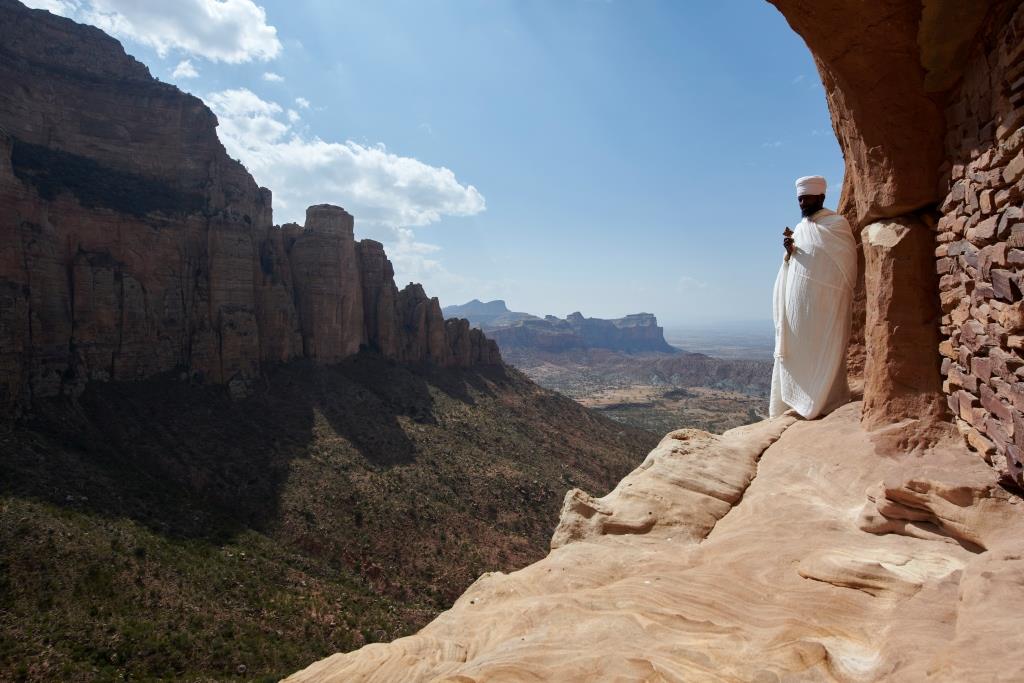
Gheralta: The Sky-High Sanctuaries
In the heart of the Tigray highlands, the Gheralta Mountains rise like jagged sandstone cathedrals against the sky. Carved into the sheer cliff faces are Ethiopia’s most adventurous rock-hewn churches. These “sky-high” sanctuaries were built in remote, inaccessible locations to protect monks and sacred treasures from invaders, and reaching them is as much a spiritual pilgrimage as it is a physical challenge.
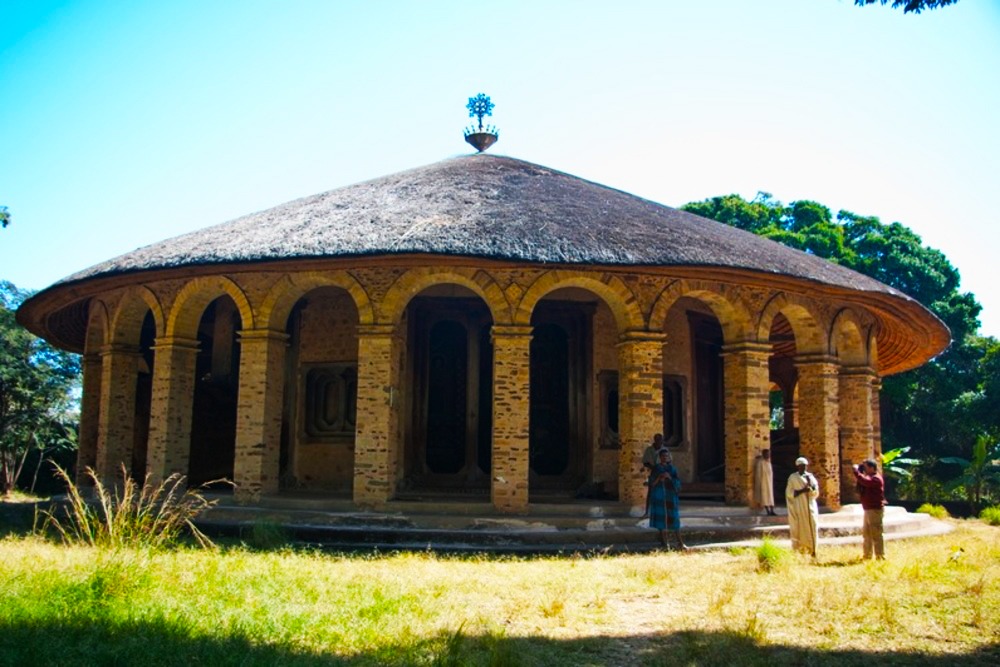
The Island Monasteries of Lake Tana
The emerald waters of Lake Tana, the source of the Blue Nile, guard some of Ethiopia’s most sacred secrets. Hidden on 37 forested islands and remote peninsulas are monasteries that have served as imperial treasuries and spiritual retreats for generations. Because they were accessible only by traditional papyrus boats (tankwas), these sanctuaries remained protected from historical upheavals.